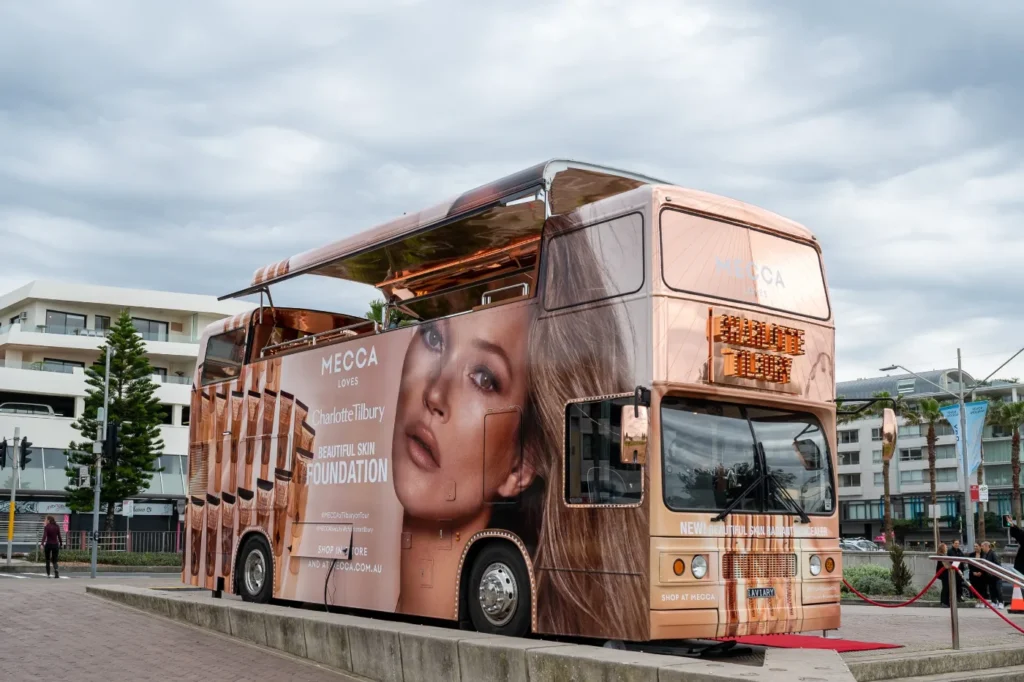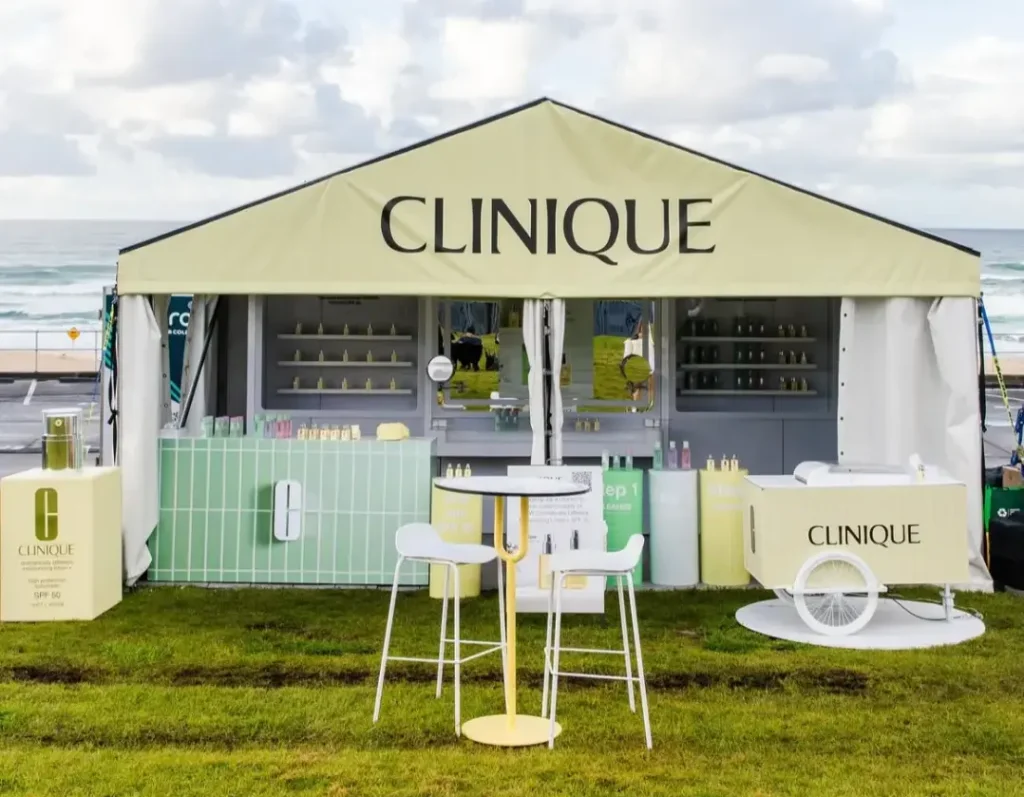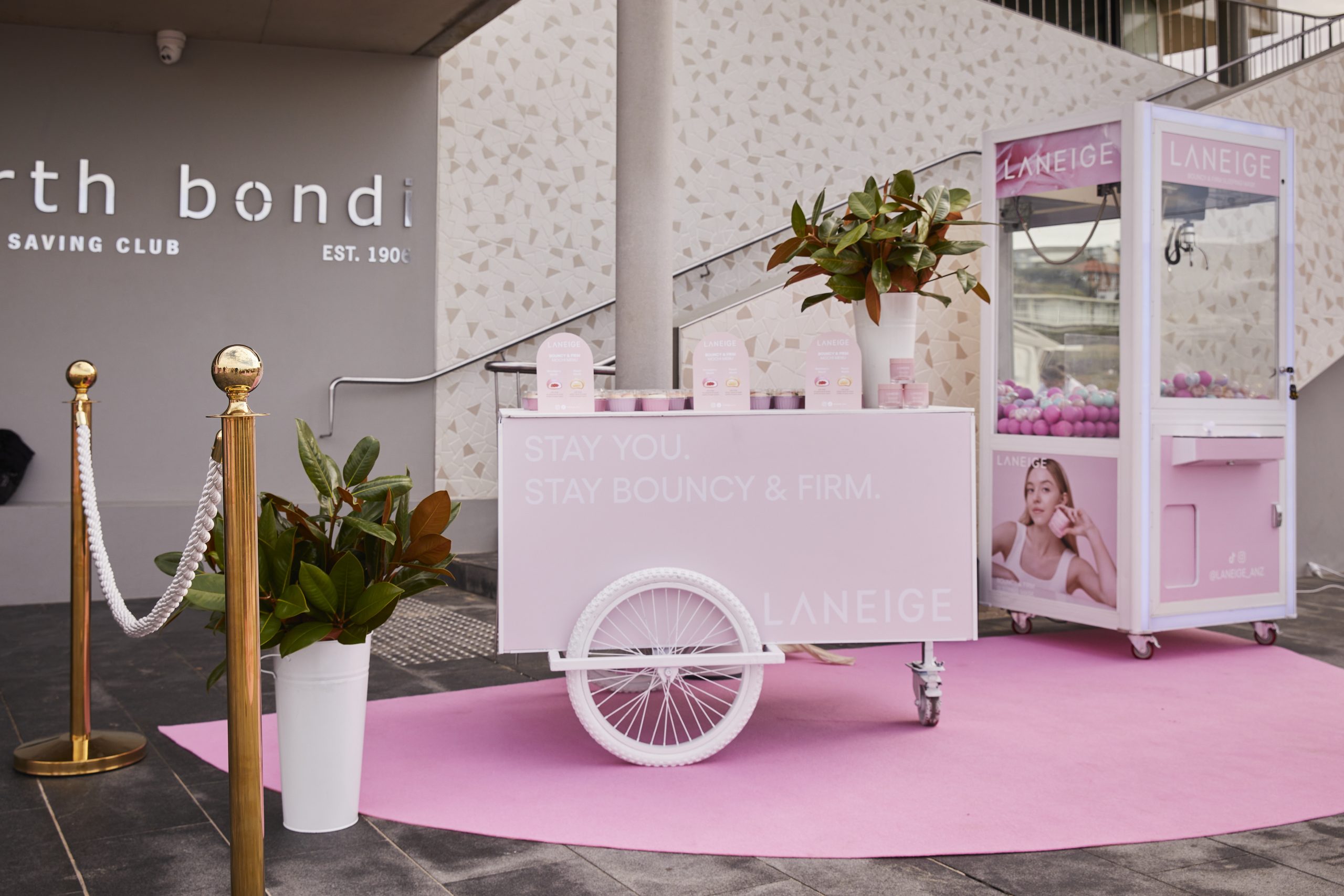
Walk into a luxury brand event, and you’ll feel the difference immediately. The lighting, the scent in the air, the way staff greet you by name. Nothing about it feels accidental.
The world’s best brands are masters at engineering experiences, and the bespoke event experiences they create are some of the most powerful brand-building tools in the marketing playbook.
For marketing managers and brand decision-makers, understanding what separates a truly bespoke experience from a merely well-produced one is the first step to organising an event that’s truly worth talking about.
What makes an event experience truly “bespoke”?
A bespoke event experience is one built from scratch for a specific brand, audience, and moment. Nothing is templated, and nothing is recycled from last year’s activation. Every element, from the guest list to the environment, the food, and the flow, is deliberately chosen to express something true to the brand and meaningful to the people in the room.
Industry research from 2025 found that nearly two-thirds of event planners now rank personalisation as extremely impactful for their events. Attendees have fundamentally stopped accepting generic, one-size-fits-all formats.
“Bespoke” comes from the tailoring world. Just as a made-to-measure suit is created around one person, a bespoke event is shaped around one brand, its audience, and its purpose.
The 6 elements luxury brands get right
Luxury brands reliably nail six things. Remove any one of them, and the experience starts to feel like it’s trying too hard. Get all six right, and guests leave as brand believers. Here’s what each one actually looks like in practice.
Deep personalisation
According to a 2024 Forbes survey, 81% of customers prefer brands that deliver personalised experiences, with 70% valuing interactions where staff already understand their history with the brand. For a luxury brand event, that might mean pre-event research into your VIP guests’ tastes, a personalised welcome note, or a menu built around documented preferences.
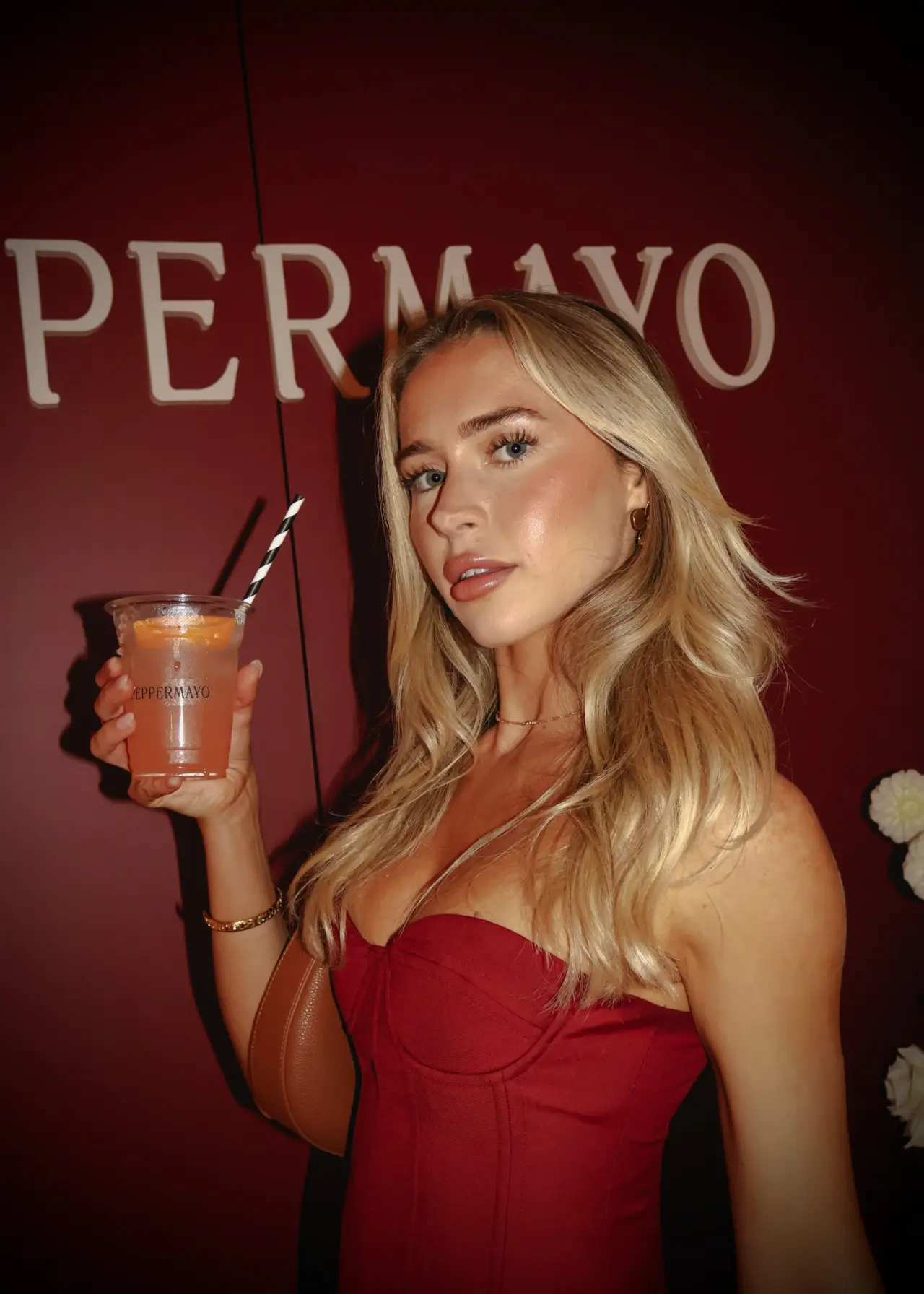
Small, personal touches signal that every guest was expected.
Exclusivity and scarcity
Contrary to the belief that exclusivity is elitist, it’s more about creating scarcity so that being in the room actually means something. Luxury brands use capped guest lists, invitation-only access, and tiered attendance models to ensure every guest feels selected.
Venue as storytelling
The venue isn’t a container for the event. In the best bespoke event experiences, the space is part of the story. Whether it’s a private rooftop, a converted heritage warehouse, or an artist’s studio, the venue should tell guests something about the brand the moment they walk in, before anyone has said a word.
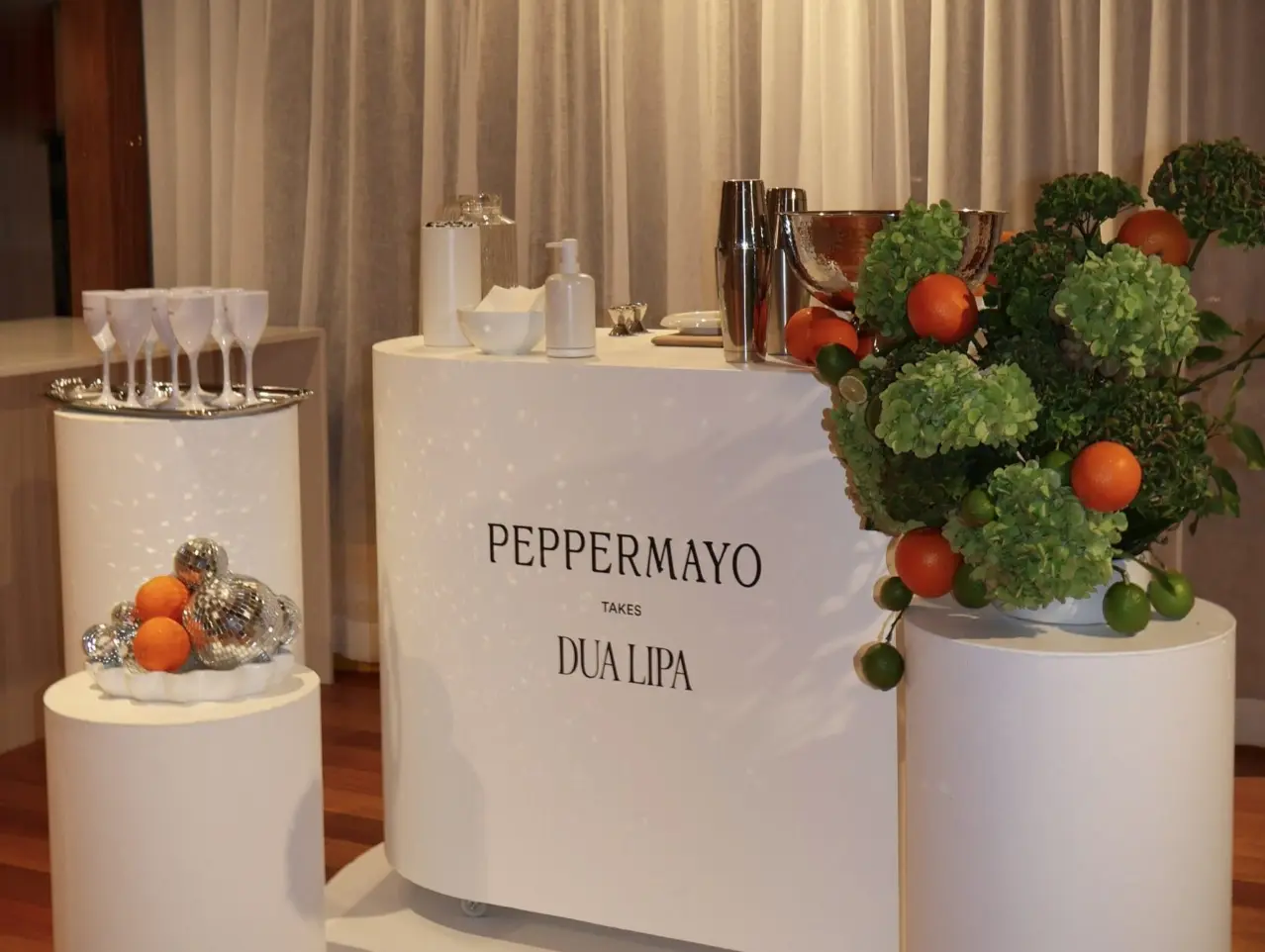
Multi-sensory design
Multisensory experiences can improve brand recall by up to 70% compared to single-sense engagement. Scent alone has been shown to significantly influence purchasing behaviour, with consumers considerably more likely to engage in a subtly scented environment than a neutral one.
The lighting is warm but intentional. There’s a signature scent, music chosen to match the brand’s pace, and textural choices, from printed menus to linen napkins, that all signal quality. When it comes together, the effect is immersive without feeling overwhelming.
Elevated food and beverage moments
Food and drink are rarely the headline act at a luxury event, but they’re almost always what guests remember. Brands that invest in a deliberate food marketing strategy transform catering from a line item into a brand statement. Guests can tell when you’ve put real thought into corporate event catering. It signals attention to detail and could drive organic content creation without a brief.
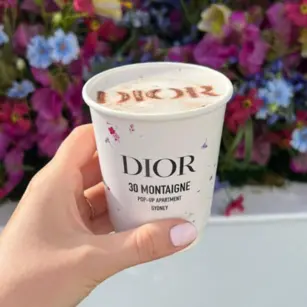
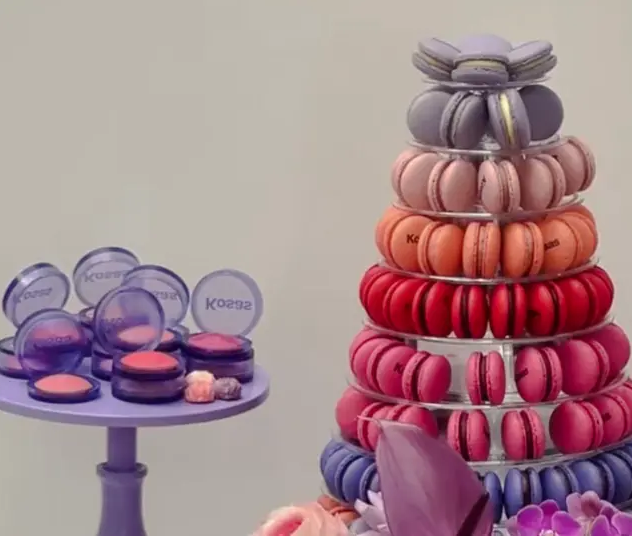
Catering as a brand touchpoint, not a line item.
Seamless, white-glove execution
White-glove execution means guests never feel the seams: no awkward gaps between activities, no chaos over seating, no unexplained waiting. Every staff member knows the brief, every transition is smooth, and the experience simply unfolds. The guest’s only job is to be present.
This level of execution requires detailed pre-event production planning. Working with a skilled corporate event management agency makes this achievable without requiring the brand to build that skillset in-house.
Bespoke event experiences in Australia: what local luxury audiences expect
Guests at luxury events in Australia respond strongly to venue character, culinary quality, and understated elegance over heavy opulence. Here are some key points to remember.
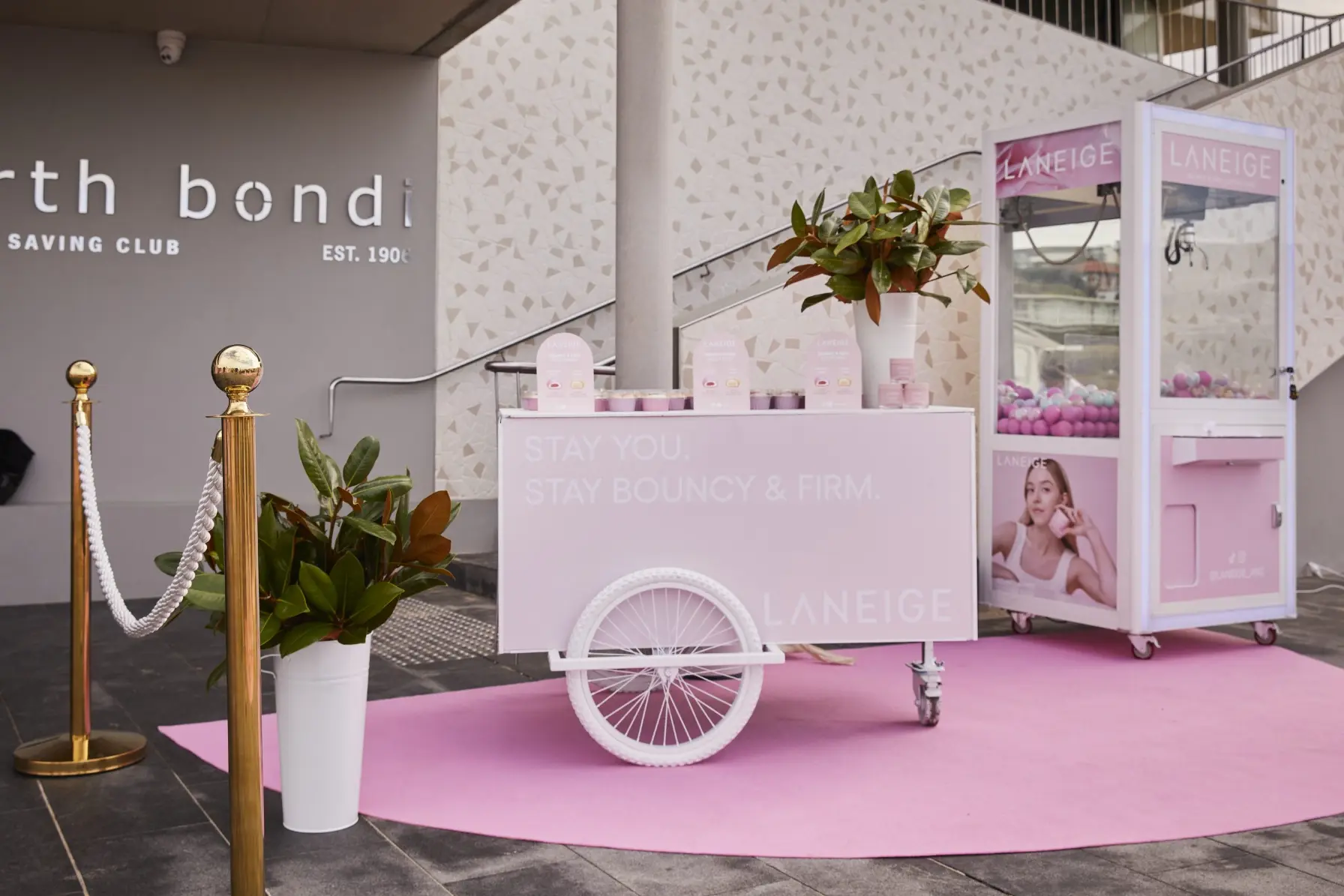
Consider venue character
Sydney’s harbourside settings bring a drama that’s hard to match: water views, natural light, and an inherent prestige. Melbourne’s converted laneways and warehouse spaces offer an intimate, art-forward character that suits editorial and fashion brands especially well. Gallery venues, whether a contemporary art space in Southbank or a heritage-listed building in the CBD, carry built-in credibility and aesthetic richness.
Seasonality shapes format
The Australian summer (October through March) is prime time for outdoor and rooftop activations, with harbour views at golden hour a perennial draw for media and VIP events. The cooler months suit warmly lit indoor formats: intimate dinners, gallery walkthroughs, and small-group tasting experiences.
Don't forget compliance
For any event that serves alcohol, Responsible Service of Alcohol (RSA) certification is mandatory in all Australian states and territories. Working with an experienced brand activation agency ensures your beverage service is compliant, well-paced, and genuinely hospitable.
How to bring bespoke thinking to your next brand event (even without a luxury budget)
Here’s how to replicate all the elements we mentioned at any budget level.
Start with one signature moment
One element that’s unexpected and on-brand: a custom cocktail, a surprising venue detail, or a personalised takeaway. Build everything else around it.
Be ruthless about your guest list
Fewer, better-matched guests beat a broad room almost every time. A smaller list gives you more room to personalise.
Let the venue do the work
Heritage buildings, artist studios, and rooftop terraces do a lot of heavy lifting for relatively modest hire costs.
Treat food and drink as a touchpoint
A beautifully executed coffee service or curated grazing table signals care. It’s one of the highest-ROI investments at a brand event.
The real power of bespoke events is making people feel the experience was created for them.
At Woofys, we love turning those details into memorable brand experiences, from bespoke catering and branded carts to full-scale activations and event production.
FAQs
The most common questions brands ask about bespoke event experiences: what they are, how they’re priced, and what makes them worth the investment.
A bespoke event experience is one designed specifically for a brand, audience, and occasion, rather than built from a standard template. It involves intentional decisions at every level, from the venue and guest list to the food, sensory design, and run sheet. The result is an event that feels completely tailored rather than generic.
Luxury brands typically combine capped guest lists with invitation-only access and highly personalised touchpoints. The sense of exclusivity comes not just from restrictions on who attends, but from the feeling that every detail was designed with the specific guest in mind. Scarcity and personalisation work together to create a genuine sense of significance.
Examples include private VIP dinners tied to a product launch, invitation-only gallery previews where the brand curates the art alongside the product story, seasonal outdoor activations at harbourside venues with custom cocktail programs, and intimate beauty brand events where the menu and décor reflect the brand’s aesthetic world. The common thread is that nothing about the experience feels borrowed from another brand.
Costs vary depending on guest count, venue, catering, and production requirements. A small, intimate activation for 20 to 50 guests can be executed from around $5,000 to $15,000 with the right partners. Larger flagship events for 100 or more guests with premium catering and full production support typically range from $30,000 upwards. The best approach is to brief a specialist agency with a clear objective and let the budget work as hard as possible against that goal.
A standard brand activation typically follows a tested format, such as a pop-up, sampling station, or product demo, that can be replicated across markets with minimal modification. A bespoke event is built once, for one purpose, for one defined audience. It’s more resource-intensive but creates deeper brand affinity and more meaningful content.