What if your next activation did not have to stay in one city? A mobile tour can take a single branded experience from Sydney to Melbourne, Brisbane and beyond, helping you reach new audiences while keeping the core idea consistent. It is a smart way to turn one activation into a campaign with genuine national reach.
Here, we explore how mobile tours interact with brand activations. But first, the basics.
Meet the mobile tour
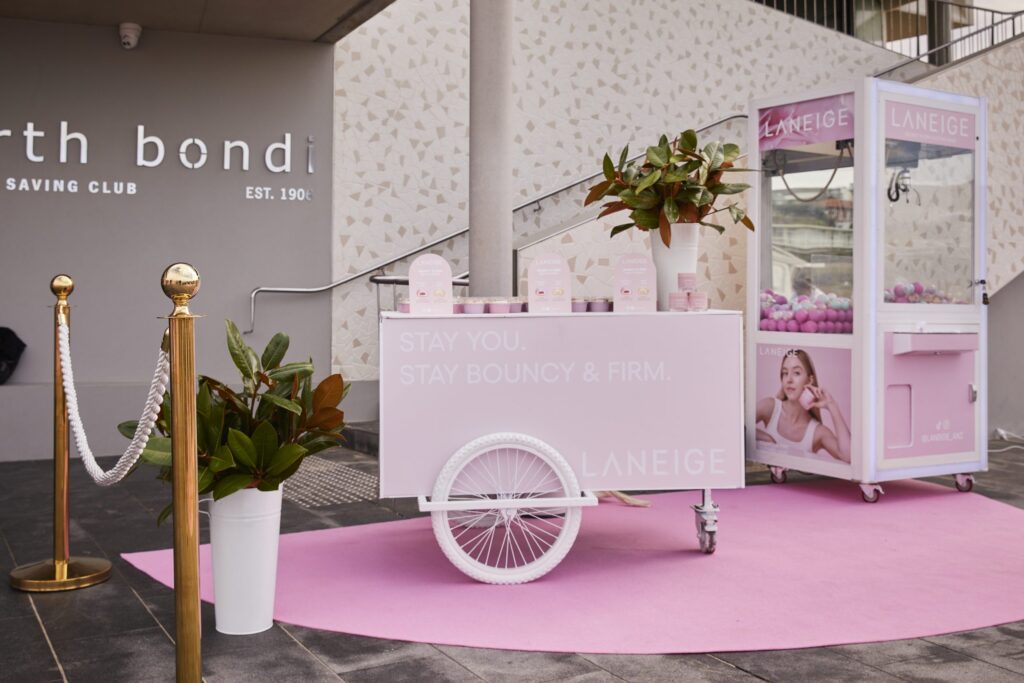
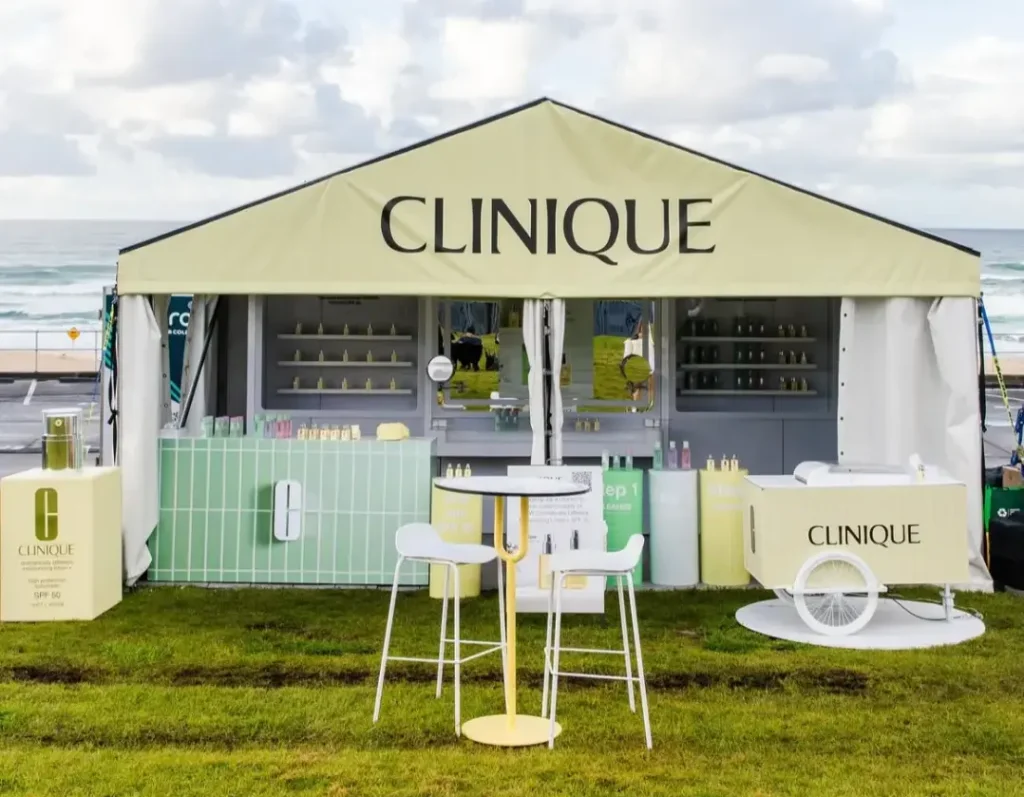
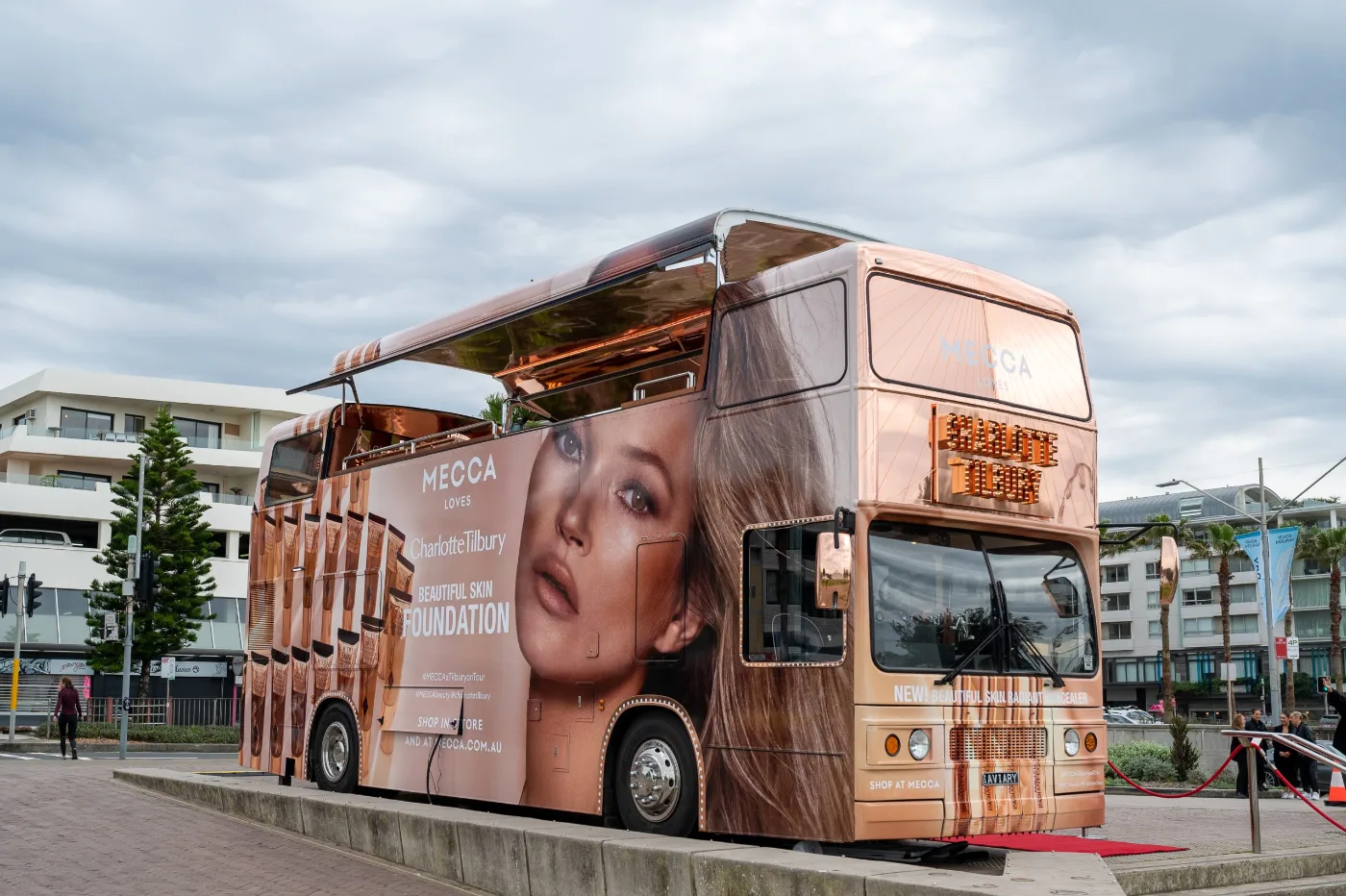
A mobile tour is a branded activation, such as a coffee cart, cocktail bar, or custom-built van, that travels between locations to deliver the same experience to new audiences. That’s essentially how mobile tours interact with brand activations: one concept, repurposed city to city, instead of starting from scratch each time.
Build it once, brand it fully, then take it on the road.
That is the foundation that any brand activation and experiential marketing agency worth its salt builds its services on.
One concept for every city
A mobile tour turns one activation concept into a multi-city rollout. Brands get one high-quality asset that earns its cost back stop by stop, while telling a consistent story audiences recognise wherever they meet it.
One build, many markets
Building a custom activation asset is not cheap. Design, fabrication, branding, and permits all cost money before a single guest walks up. A mobile tour spreads that upfront cost across every city on the route, so the cost per market drops with each additional stop.
Meeting audiences where they are
A pop-up in a single flagship city reaches only the people who happen to be there that day. A mobile tour flips that logic. Instead of waiting for your audience to find you, the activation travels to where they already are. This matters even more for brands without a store in every city.
Building momentum city by city
A well-sequenced multi-city tour generates content, reviews, and social proof from the first city that travel with the tour, giving each new market a running start rather than a cold open. That momentum is one of the reasons a multi-city rollout tends to outperform three unconnected activations, even at similar spend.
For more ideas on sequencing a rollout, see our guide to multi-location experiential activations.
The activation that goes where you do
Mobile tours are not a replacement for every activation format. They earn their place for product launches, retail and shopping centre stops, and event or festival sponsorships, wherever a brand needs the same high-quality experience to show up in multiple locations.
Product launches and sampling tours
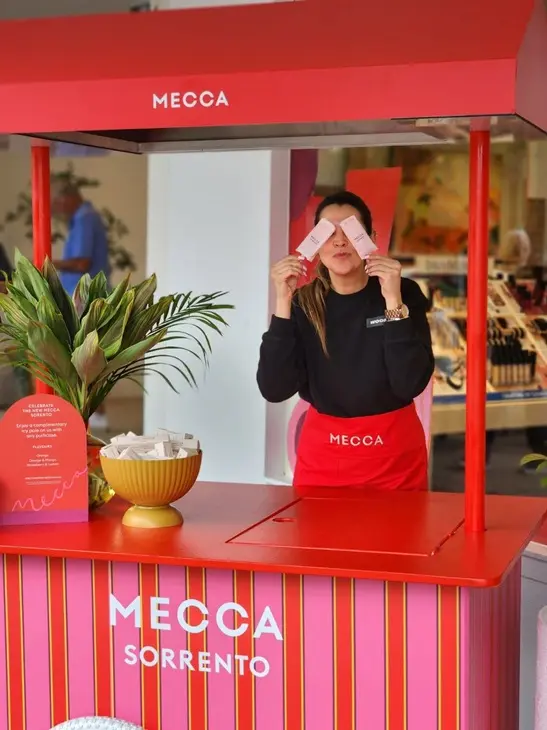
Retail and shopping centre stops

Event, festival and sponsorship activations
Product launches and multi-city sampling tours
Sampling is one of the strongest use cases for a mobile tour. Letting people taste, try, or test a product before they buy builds trust faster than almost any ad. A multi-city sampling tour lets a single launch moment reach shoppers in several capital cities, rather than staggering the rollout over months.
This works particularly well for beauty, food and beverage, and FMCG brands, where trial is the biggest barrier standing between a shopper and a sale.
Retail and shopping centre stops
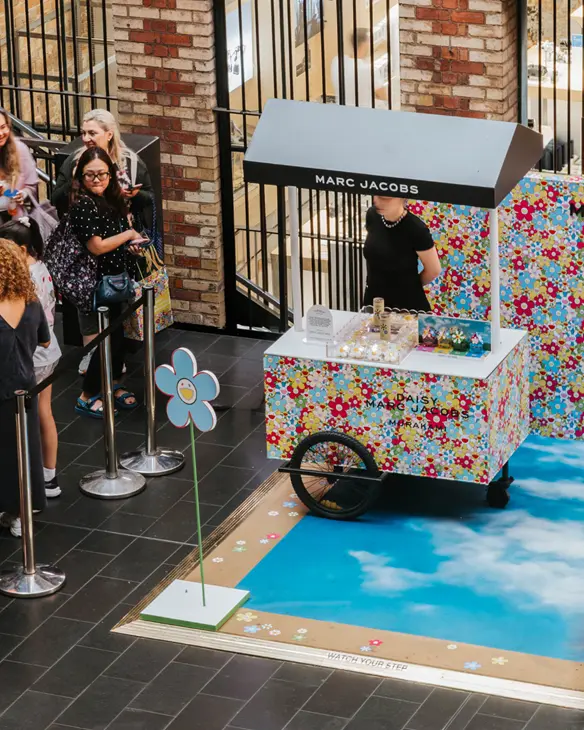
Shopping centres and retail strips are natural stops on a mobile tour route. Foot traffic is already there, and a branded cart or bar gives shoppers a reason to stop rather than walk past. Pairing a mobile tour with retail activation turns a quiet mall corridor into a moment shoppers actually remember, especially when the format is playful enough to photograph.
If retail is a core part of your rollout, it pays to plan these stops with a retail activation company that already understands centre management requirements across cities.
Event, festival and sponsorship activations
Festivals, sporting events, and sponsorship activations give a mobile tour a ready-made crowd. You are not building an audience from scratch; you are showing up inside one that already exists.
A branded cart or bar at a sponsored event does double duty, reinforcing the sponsorship while giving attendees something tangible to associate with the brand. Working with an experienced event activation agency matters here, since festival and event logistics differ quite a bit from a standalone retail stop.
Planning a multi-city rollout in Australia
Planning an Australian multi-city rollout comes with its own logistics, from long interstate drives to permit rules that change at the council border. Some of the fundamental steps include:
Choosing your cities and sequencing the route
Australia’s east coast cities are further apart than they look on a map. That distance shapes almost every decision in a rollout, from route order to how many buffer days to build in.
| Route | Distance | Drive time | Notes |
|---|---|---|---|
| Sydney to Melbourne | ~880 km | ~9 hours (Hume Hwy) | Sealed, dual carriageway for most of the route |
| Sydney to Brisbane | ~900 km | ~10 hours (Pacific Hwy) | Longer with coastal traffic through NSW's North Coast |
Build at least one buffer day on either side of every drive leg, so a delay on the Hume or Pacific Highway does not eat into set-up time at the next city.
Seasonal timing matters too. Queensland summers bring heat and humidity that affect staff comfort and food handling more than a Melbourne winter ever will. Sequencing a rollout with the seasons in mind saves a lot of grief on the day.
Permits, councils and site approvals
This is where a multi-city rollout gets genuinely complicated, and where most generic advice falls short. Food safety rules come from a single national framework, but how you register to trade varies at every state border.
Every mobile food activation in Australia sits under the Food Standards Code, set nationally by Food Standards Australia New Zealand (FSANZ). That part stays consistent wherever you trade.
Notify the local council in every area you plan to trade, following the NSW Food Authority’s guidelines for temporary events. Forms, timelines and fees vary by council.
Register through the statewide FoodTrader system, then lodge a Statement of Trade with every council you plan to visit.
A single food business licence from one council covers the whole state, according to Queensland Health’s guidance on mobile food businesses, though local laws on where you can set up still vary from council to council.
Assume a minimum of several weeks for permits and approvals, and start the process well before the route is locked in.
The mobile assets that do the heavy lifting
Choosing the right physical asset shapes almost everything else about a rollout. A smaller footprint asset like a cart or bar suits tight retail corridors and indoor centre spaces, while a van or trailer gives you the standalone power and water capacity needed for a full day at an outdoor festival site.
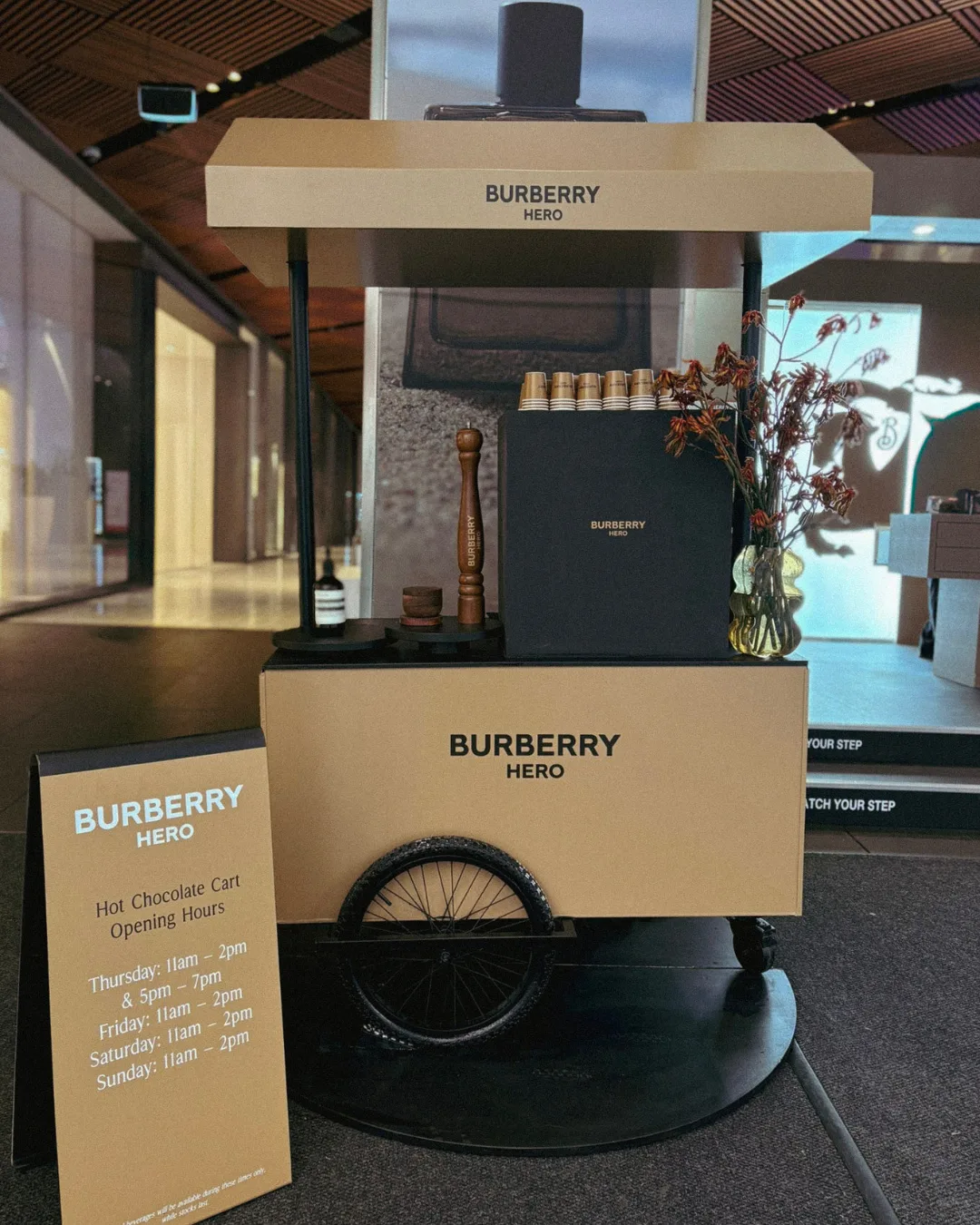
Carts and bars: tight corridors, indoor centres.
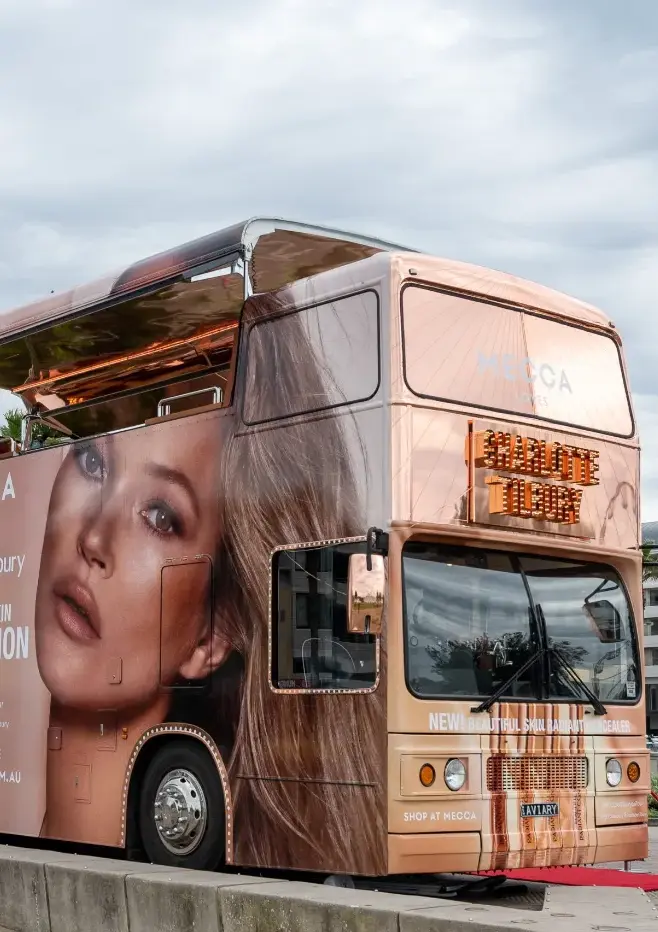
Vans and trailers: standalone power and water outdoors.
Water is another constraint that catches teams out. A cart serving coffee or cocktails all day needs decent onboard capacity, especially during long runs.
Staffing and brand ambassadors across markets
Brand ambassadors are the face of the tour in every city. Local staffing in each city keeps costs down and equips the tour with ambassadors who already understand the market, though it requires tighter training and briefing than sending a single core team the whole route.
Whichever staffing model you choose, brief the team on brand tone, product knowledge, and photo moments before day one, not on the drive to the first stop.
Start planning a multi-city activation
A multi-city rollout is one of the clearest ways to maximise the value of a single activation concept. Done well, it turns one build into a campaign that shows up authentically in every market that matters to your brand.
FAQs
Cost depends heavily on the asset, the number of cities, and how many staff and days are involved. A single-city activation can start from a few thousand dollars for a simple cart setup, while a full custom-built multi-city tour with several stops, staffing, and travel can run well into five figures. The most reliable way to get an accurate figure is a brief covering your cities, dates, and preferred asset type.
In most cases, yes, because the build cost is paid once and spread across every city rather than repeated for each location. Travel, staffing, and permits still add up, so the savings grow with each additional city on the route.
There is no fixed answer, as it depends on campaign goals, but most rollouts last between one and four weeks across all cities. Shorter tours suit product launches with a tight news cycle, while longer tours suit ongoing sampling or brand awareness campaigns. Factor in buffer days for travel between cities when setting the schedule.