Choosing the right activation partner is often framed as a boutique-agency vs. big-agency debate. But size alone rarely determines fit. The right brand activation company depends on your timeline, your budget structure, and how closely you want to work with the people delivering your campaign.
For managers planning high-impact campaigns, the decision isn’t always as simple as choosing the biggest name. A smaller, specialist brand experience company can offer a more hands-on approach, while a larger partner may bring extensive resources and nationwide infrastructure.
So, which is right for your next brand event?
The quick answer: finding your fit
If your campaign needs speed, direct access to senior people, and flexibility across activation and catering, a boutique brand activation company is usually the right call. The boutique agency vs big agency question comes down to structure.
Wins on agility and personalisation
Senior people from day one, fast decisions, and budgets that stretch across creative, production and catering.
Wins on global infrastructure and scale
Warehousing, localised staffing and supplier networks for simultaneous multi-market rollouts.
The clearest sign you need a boutique brand activation company is when your campaign can’t afford to move slowly. Boutique companies assign senior practitioners to your account from the start, so you’re not passed to a junior team once the contract is signed.
For campaigns with tight deadlines, shifting briefs, or budgets that need to stretch across creative, production, and on-site catering, a boutique brand activation company is built for exactly that environment.
What's the difference between a boutique and a big brand events company?
A boutique brand events company is a smaller, specialist business that works with fewer active clients and offers a more hands-on service model. A larger brand events company brings broader infrastructure, global supplier networks, and multi-market scale. That structural difference shapes everything from who you speak with to how easily plans can change.
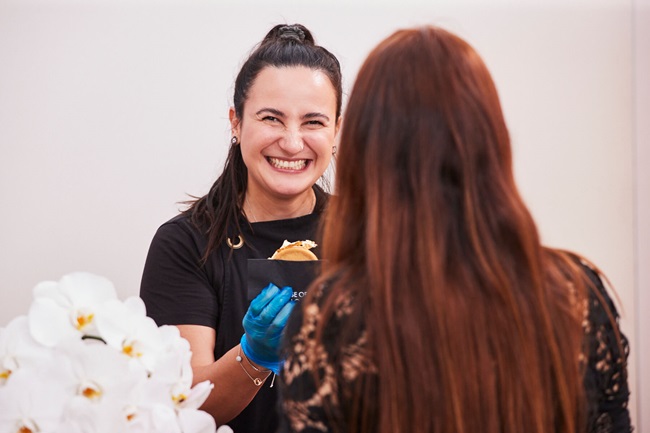
With a boutique partner, the people who pitch are the people on-site.
Boutique vs big: side-by-side comparison
| Criterion | Boutique | Large agency |
|---|---|---|
| Speed to launch | Faster. Fewer approvals, smaller team, decisions made without multi-department sign-off. | Slower. More stakeholders and longer internal approval chains. |
| Who you deal with daily | Senior practitioners from day one, often the same faces from brief to wrap. | Account managers at pitch; junior coordinators handle day-to-day delivery. |
| Cost transparency | More transparent. Fewer markup layers between your budget and the actual execution. | More complex fee structures; outsourced vendor markups can appear late. |
| Mid-campaign flexibility | High. A smaller team can pivot quickly without renegotiating contract frameworks. | Lower. Supply chain size and contract structures make fast changes harder. |
| In-house capability | Varies. The best boutique companies own their catering, carts, and production assets. | Often outsourced. Multiple vendors managed under a single master agreement. |
| Scale ceiling | Best suited to targeted, city-by-city activations. Less suited to global simultaneous rollout. | Better suited to large-scale multi-market deployment across dozens of territories. |
When a boutique brand experience company wins
A boutique brand experience company wins when your campaign demands:
- Fast decisions
- Creative ownership
- Seamless delivery across activation, catering, and production
If you want the people who shaped the concept to be the same ones executing it on-site, going with a boutique company is almost always the right structural choice. Here’s a deeper dive.
Faster turnarounds and direct access to senior people
The most consistent advantage of a boutique brand experience company is access to the right people, faster. When your brief changes at short notice, you reach someone who can act immediately. There’s no account management chain to navigate first.
A product launch aligned with a cultural moment or a pop-up tied to a retail event can’t absorb the two-week approval lag that larger brand event companies often carry.
Flexible, transparent budgets
Boutique brand activation companies tend to offer cleaner, line-item budgets without the layered markups common in larger operations. You can see where the money is going. When your budget needs to flex mid-campaign, the conversation about scope is direct and fast.
Integrated execution: activation, catering and carts under one roof
The biggest structural advantage some boutique brand experience companies offer is true integrated execution. When your activation partner owns the catering, the branded carts, and the production in-house, you eliminate multiple vendor relationships, separate briefings, and compound coordination risks.
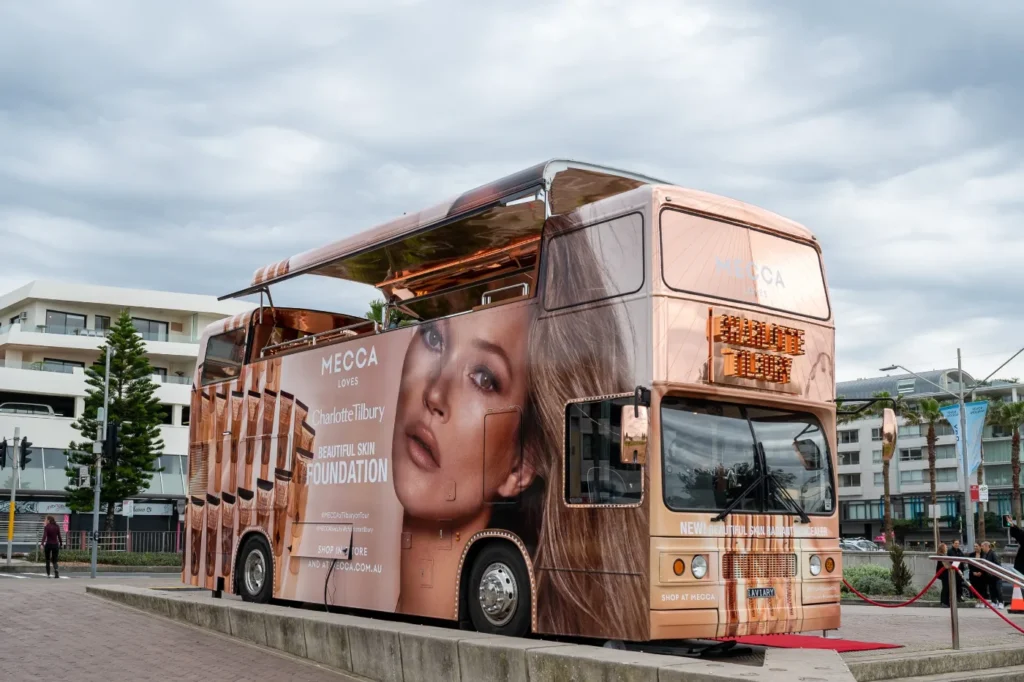
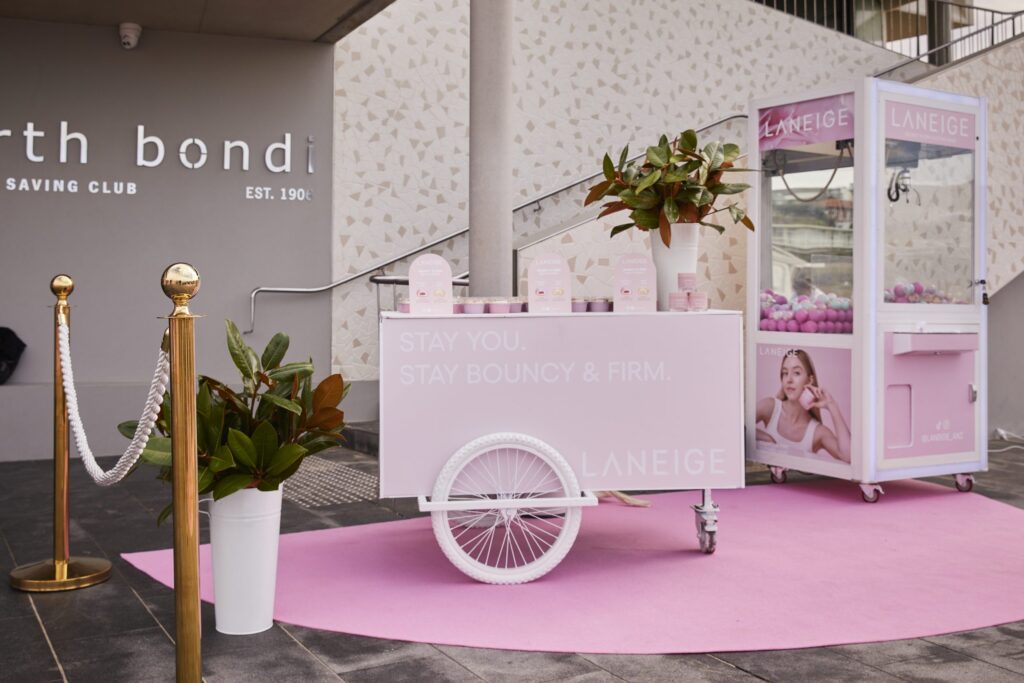
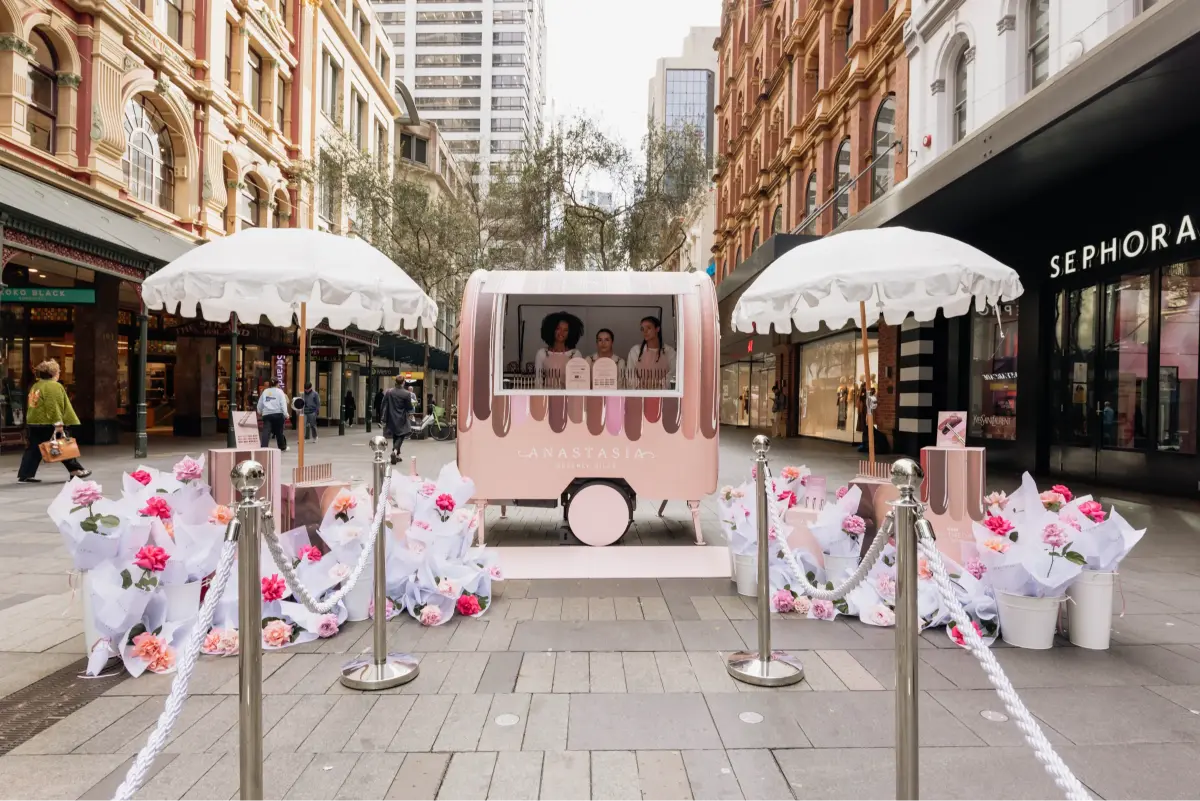
Woofys, for example, operates as a single-source brand experience company across design, activation, corporate event catering, coffee cart hire, and cocktail cart services. Brands including CeraVe, Adobe, and Marc Jacobs have used this model to build activations where the food and beverage experience is a direct extension of the brand story, not an outsourced afterthought.
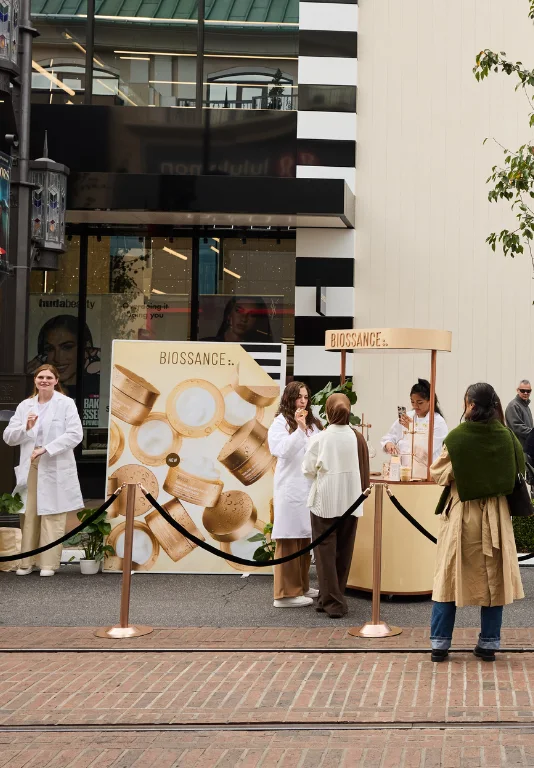
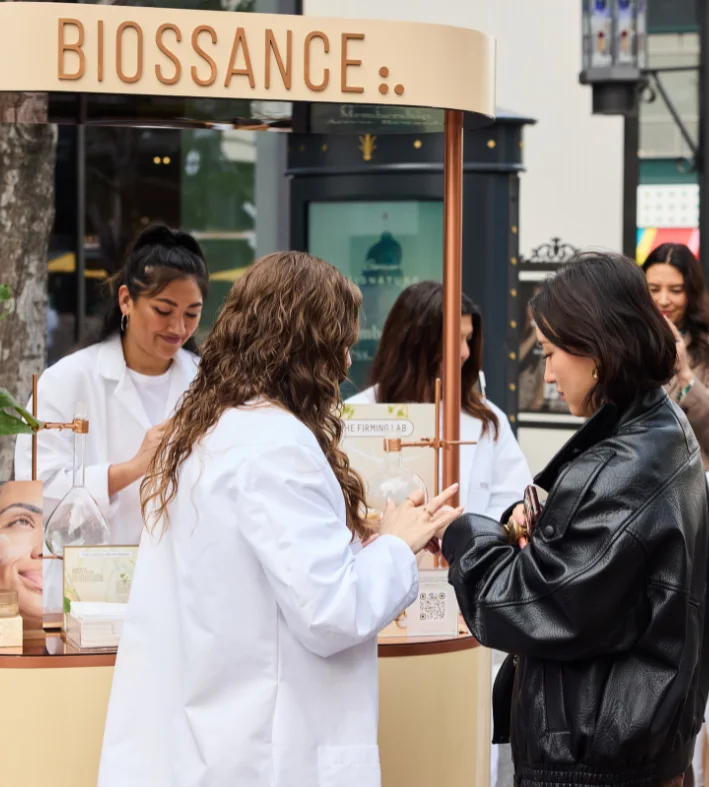
Activation, catering and carts delivered by one team.
Food and beverage integration has moved from a premium add-on to a core activation expectation.
When a bigger partner makes more sense
Larger brand activation companies make sense when your brief requires simultaneous activation across dozens of international markets, very high-volume standardised production, or integration with an existing global partner network. If uniformity and worldwide scale matter more than agility and bespoke execution, the infrastructure of a large brand events company is a real advantage.
If you need to activate in 40 cities across three continents in a single quarter, a boutique brand activation company has a structural ceiling. Large brand events companies have the warehousing, the localised staffing, and the established supplier relationships to make that work.
Where large companies lose ground is on the bespoke side. When a campaign requires a genuinely custom sensory experience that varies by city and context, creative fidelity can erode through multiple vendor layers.
5 questions to ask before you choose your activation partner
Before briefing any brand activation company, whether boutique or large, these five questions will reveal more about the working reality than any pitch deck.
Who manages my account, and does that stay consistent?
Ask whether the same people stay on your account from pitch to production. At Woofys, for example, an account manager leads your pitch and quote, an event production manager leads delivery, and both stay with your account throughout.
What is genuinely in-house versus outsourced?
Particularly relevant for catering, branded carts, and production assets.
Walk me through how you handled a mid-campaign brief change.
Ask for specifics, not a general statement about flexibility.
Show me work comparable to my category and budget level.
High-end luxury case studies tell you little about performance at your specific spend.
What's your operational model for activations across multiple cities?
If geographic reach matters, ask for logistics details, not just a yes.
The right experiential marketing agency will already be thinking about them before you ask. So ask away.
Ready for your next brand activation?
Still weighing up boutique vs big? Woofys is a brand experience company that handles activation, catering, and carts under one roof.
FAQs
It comes down to infrastructure. A boutique agency usually wins on speed, direct access to senior people, and integrated activation and catering execution. Multi-market rollouts don’t need a bigger agency either, just a partner that already operates in every city on your route, with the same team staying on your account from pitch through delivery.
Not inherently. The main risk with a boutique brand activation company is capacity, not quality. A well-established boutique with its own in-house production, catering, and experiential assets carries less delivery risk than a large agency that outsources those components across multiple vendors. A boutique brand experience company with a strong track record of activating premium global brands is not a risk simply because it’s small.
Yes. A boutique brand events company with operational presence across Sydney, Melbourne, and Brisbane can run coordinated, city-by-city campaigns without the structural overhead of a large brand activation company. Ask specifically about logistics, staffing, and asset movement between cities.
Look for a boutique experiential event management agency with genuine operational presence in each city you need covered, not just a head office and a claim to national reach.
Boutique brand activation companies typically offer more transparent cost structures with fewer markup layers between your budget and the final execution. Large brand activation companies sometimes apply percentage-based production markups across outsourced vendors, which can reduce how far your budget stretches. Boutique doesn’t always mean cheaper, but it usually means better value per dollar spent on execution.
Right now, it’s interactive pop-ups, creative product sampling, branded mobile carts and bars, and moments built deliberately to be shared on social media. Trends like these move fast though, and that’s exactly why partner choice matters.
The right activation partner is already running these formats city to city, so your campaign reflects what’s actually working now rather than what worked last year.